





















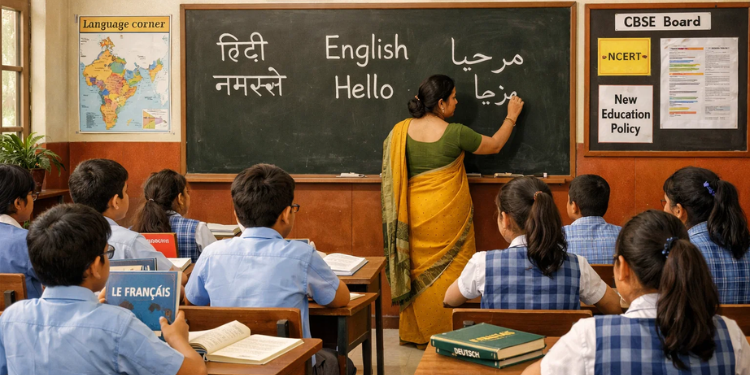
The Central Board of Secondary Education (CBSE) has made it compulsory for all affiliated schools to introduce a third language (R3) for students starting from Class 6 from the academic session 2026–27.

According to a circular issued on April 9, the board has instructed schools to implement the new rule within seven days. While some schools have already started preparing for the change, the remaining schools have been asked to act immediately to ensure compliance.
What This Means for Students
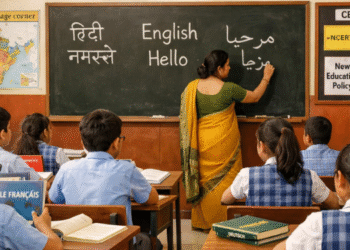
With the new rule, students will now study three languages instead of two from Class 6 onwards. These languages will be categorized as:
- R1: Regional language or mother tongue
- R2: Common language such as Hindi or English
- R3: One additional language (Indian or foreign)
Students will be required to continue studying all three languages up to Class 10, and in future, they may also need to pass all three languages in board examinations.
This change is expected to improve communication skills, promote multilingual learning, and help students understand different cultures and languages. However, it may also increase the academic workload for students.
Schools Directed to Begin Immediately
CBSE has clearly instructed schools to start teaching the third language immediately, even if official textbooks are not yet available.
Until the official books are released, schools have been allowed to use locally available books or learning materials to begin teaching the new language.
The board noted that many schools have already initiated the implementation process, and all remaining schools must ensure compliance within the given timeline.
This move aligns with the language learning vision proposed under the National Education Policy 2020, which promotes multilingual education among students.
Official Pdf: Click Here!
Source: News 18
To stay updated with the latest CBSE circulars, education policies, and school updates, follow School Samachar and never miss important school news.